


In the poultry industry, applying good farming processes not only helps improve productivity but also ensures disease safety, product quality, and environmental protection. Modern farms often build scientific farming management systems to control the entire process from breeding stock and feed to disease management and waste treatment.
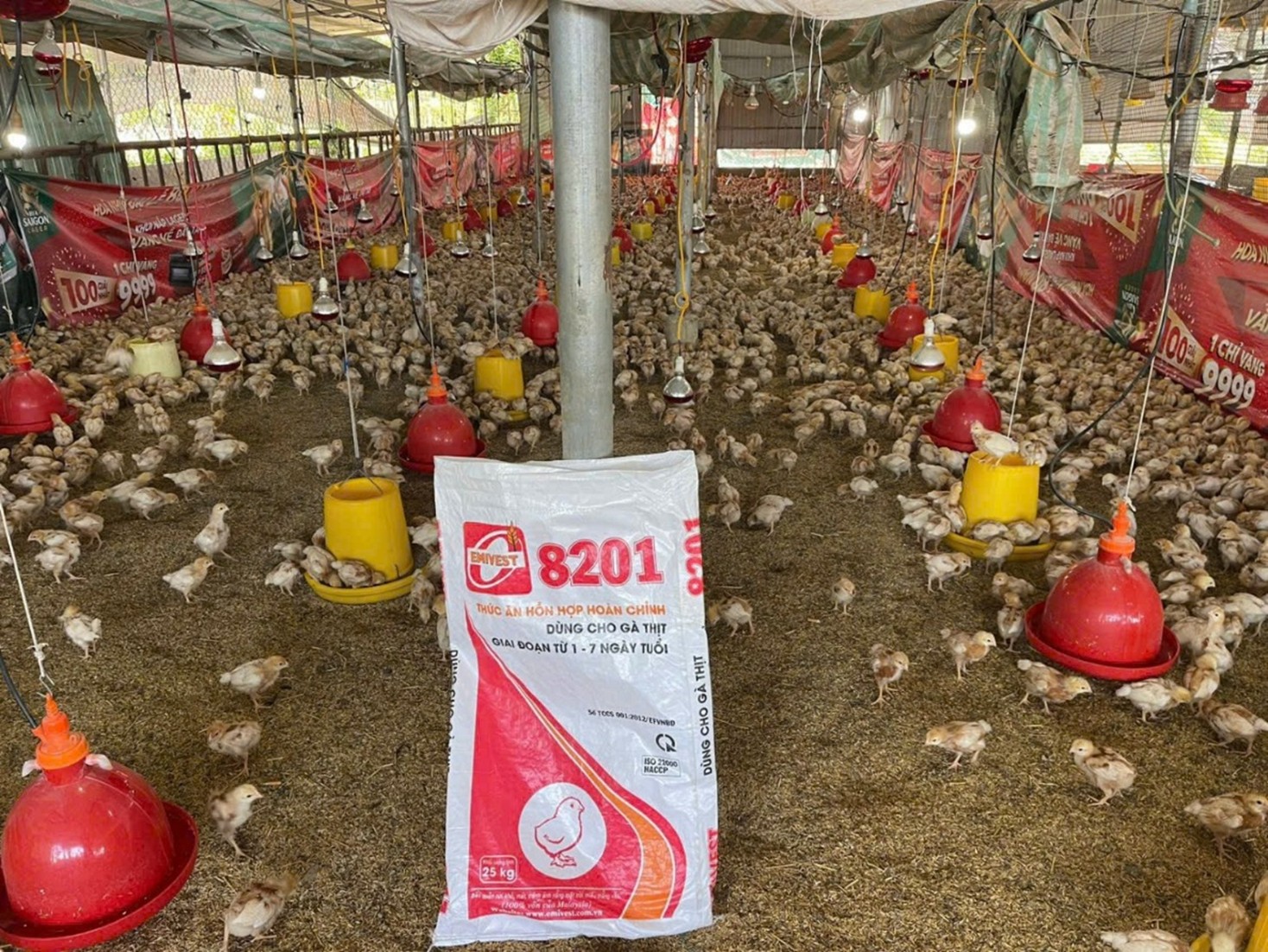
Below are the basic principles in safe poultry farming practices:
- Site selection and farm layout
The farm construction site needs to comply with local planning and ensure a safe distance from residential areas, industrial zones, or food processing areas. The farm should have a clean water source and a suitable waste treatment system to limit the impact on the surrounding environment.
In the overall design, areas such as barns, isolation areas, waste treatment areas, and administrative areas need to be arranged separately to limit the risk of disease spread during the farming process.
- Barn design and equipment
Barns must ensure ventilation, dryness, and ease of cleaning. Depending on the farming model, farms can use open barns or closed barns with ventilation systems and temperature control.
The barn floor needs to be solid, well-drained, and convenient for cleaning and disinfection. In addition, equipment such as feeders, drinkers, lighting systems, and ventilation fans must be arranged reasonably to ensure good living conditions for the poultry flock.
- Breeding stock management
Breeding stock plays an important role in farming efficiency. Poultry entering the farm must have a clear origin, be quarantined, and ensure a good health status.
In many farms, newly imported poultry are often kept in isolation for a certain period to monitor their health before joining the main flock. Managing breeds according to a scientific process helps limit disease risks and ensures the poultry flock develops uniformly.
- Feed and water management
Feed and drinking water are important factors directly affecting the health and growth rate of poultry.
Feed ingredients need to be stored in a dry, well-ventilated warehouse to avoid mold. In addition, it is necessary to periodically check the quality of feed to limit the risk of chemical residues or prohibited substances in livestock products.
The drinking water source must also meet hygiene standards and the water supply system needs to be checked regularly to avoid contamination.
- Flock management and disease prevention
During the farming process, monitoring the health of the poultry flock needs to be performed regularly. Farms often develop vaccination plans and disease surveillance to early detect abnormal signs.
When a disease occurs, it is necessary to isolate the area with sick poultry, strengthen cleaning and disinfection, and comply with the instructions of veterinary authorities to limit the spread.
- Waste management and environmental protection
Poultry farming needs an effective waste treatment system to minimize environmental pollution.
Solid waste such as manure and bedding needs to be collected and treated according to the correct process. Livestock wastewater must also be treated before being discharged into the environment to ensure compliance with current environmental standards.
- Personnel management and farming records
Farm workers need to be equipped with full knowledge of biosafety hygiene, use of veterinary drugs, and farming processes.
In addition, recording farming logs, use of veterinary drugs, feed, and the health status of the poultry flock is essential for management and product traceability.
✅ Reference source: Vietnam Livestock